Analysis of Prospects and Application Scenarios for Energy Storage Systems in China
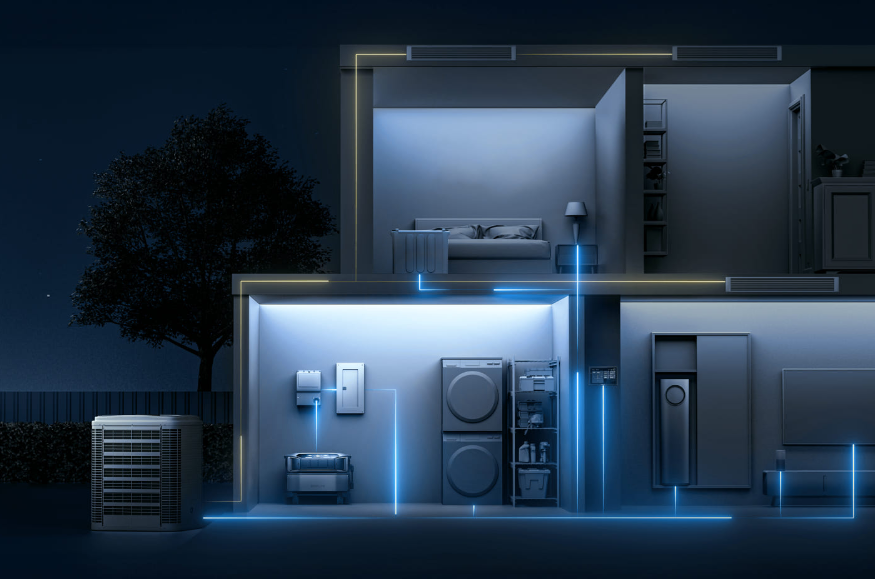
Against the global energy transition and the rapid growth of renewable energy, energy storage systems are playing an increasingly vital role in the power grid.
 
As the world’s largest energy consumer and producer, China faces multiple challenges including energy supply-demand balance, carbon emission control, and renewable energy integration.
 
Under such circumstances, energy storage systems can not only optimize power system operation and improve energy utilization efficiency, but also provide crucial technical support for China to achieve its dual-carbon goals.

China is a global leader in renewable energy, ranking first in the world in installed capacity of wind, solar and other renewable energy sources. However, due to the intermittent and unstable nature of these energy sources, energy storage systems play a vital role in power peak shaving, load shifting, and ensuring the stable operation of the power grid. As China further advances the development of renewable energy, demand for energy storage systems will experience explosive growth.

Energy storage systems also play an important role in electric vehicles and charging infrastructure. They can supply power to charging stations during peak hours, avoiding excessive burden on the power grid and reducing the impact of peak loads on the power system.

It effectively helps users achieve peak shaving and valley filling: charge the energy storage system during low-price periods (such as nighttime), then discharge the stored electricity for home use or charging stations during high-price periods (such as daytime peak hours). This allows users to significantly reduce peak-time electricity costs and optimize power expenses.
 
The prospects for energy storage systems in China are extremely broad. Driven by policy support, technological progress and growing market demand, energy storage will play a vital role in multiple scenarios, including power system frequency and peak regulation, renewable energy integration, distributed energy, and electric vehicle supporting infrastructure. In the future, as energy storage technology matures further and costs continue to decline, energy storage will become a key enabling technology for China’s energy transition and dual-carbon goals, providing strong support for the optimization of China’s energy system and the intelligent upgrading of the power grid.
滚动至顶部